Supershop Vegetable Rack Price in Bangladesh
Category:
Super Shop Equipment , Display Rack , Trolley & Shopping Baskets , Cash Counter
Total Price : BDT16,595.00
Supershop Vegetable Rack Price in Bangladesh depends on the rack dimensions, shelf quantity, tray design, material thickness, finishing, load requirements, and customization. The Supershop Vegetable Rack from Dream Super Shop Solutions is professional supershop equipment for supermarkets, grocery stores, mini marts, department stores, and fresh-food retailers. Its multi-tier layout, customer-accessible shelves, and organized display structure help present vegetables and fruits attractively while supporting faster restocking. The rack can be customized according to available floor space and produce categories. Contact Dream Super Shop Solutions for suitable configurations and project-specific pricing.
Product Specifications of Supershop Vegetable Rack
Height: 6 Feet
Length: 4.5 Feet
Depth: 26 Inches
Number of Crates: 9 Pcs
Loading Capacity: Up to 50 kg (per Crate)
Color : As Require
Material: Mild, Tempered Metal Sheet, CR Black (Nippon Steel Corporation, Tokyo, Japan)
Color : Durable Powder Coated Paint Finish
Crate Material: Polypropylene (PP-Virjin Plastic)
Description
🥬 Supershop Vegetable Rack Price in Bangladesh
Supershop Vegetable Rack helps retailers present fresh produce neatly, improve product visibility, and simplify daily supermarket restocking. The Supershop Vegetable Rack from Dream Super Shop Solutions is professional supershop equipment for supermarkets, grocery stores, mini marts, and fresh-food retailers that need an organized, accessible, and space-efficient vegetable display system.
📌 Product Overview
A Supershop Vegetable Rack is a commercial Fresh Produce Display System designed to organise vegetables, fruits, and selected packaged food products inside supermarkets, supershops, and grocery stores. It may include angled vegetable shelves, baskets, trays, dividers, multiple display levels, price-label areas, and a strong supporting structure, depending on the selected model.
💰 The Supershop Vegetable Rack Price in Bangladesh depends on several factors, including rack height, overall width, shelf depth, number of levels, tray type, frame material, steel thickness, surface finishing, branding requirements, expected load, delivery location, and installation support.
🥦 A Supermarket Produce Display Rack helps retailers organise products according to category, colour, size, type, price, or freshness. Leafy vegetables, root vegetables, fruits, herbs, and packaged produce can be arranged in separate sections, allowing customers to browse more conveniently.
🛒 A Grocery Vegetable Stand provides an open produce display that allows shoppers to view, compare, and select fresh items with fewer barriers. A well-planned arrangement can also help employees identify low-stock sections and manage restocking more efficiently.
📐 A Fresh Food Display Unit may feature inclined or stepped shelves to improve product visibility. Produce placed on angled surfaces may be easier to view than items positioned inside deep, flat containers.
🍎 The Retail Fruit and Vegetable Shelf should be selected according to the types of products being displayed. Leafy vegetables, watermelons, potatoes, onions, fruits, and packaged goods may require different tray depths, shelf spacing, and approved load capacities.
🏪 A Commercial Produce Rack can support everyday grocery merchandising when properly installed and used within its approved load limits. However, fresh produce may create moisture, soil, leaves, and other residue, so the rack should be easy to clean, inspect, and maintain.
📏 Businesses searching for a Supershop Vegetable Rack for Fresh Produce Display should consider available floor space, customer circulation, product volume, restocking frequency, product weight, ventilation, cleaning access, and seasonal inventory changes.
🔧 A Supermarket Vegetable Display Rack in Bangladesh may be customised for wall-side placement, freestanding use, island-style presentation, or integration with a complete grocery section, depending on the approved design. The final layout should allow comfortable customer movement and convenient product access.
📦 A Multi-Tier Grocery Display increases product presentation capacity by making effective use of vertical space. Different shelf levels can accommodate separate produce categories while keeping products visible to customers and accessible to store employees.
🎯 A Vegetable Merchandising Stand can also support promotional campaigns. Seasonal fruits, locally sourced vegetables, organic produce, discount packs, and featured products may be presented in dedicated display sections.
🧺 A Store Produce Display Fixture should support organised vegetable presentation without overcrowding the merchandise. Excessive stacking may damage sensitive products, restrict airflow, or make lower-level items difficult to inspect.
🤝 Dream Supershop Solutions can help plan a customised Fresh Food Display Rack in Bangladesh according to store measurements, produce categories, tray requirements, preferred finishing, available floor space, and expected customer traffic.
The final rack configuration should be selected based on the product types, approved load capacity, cleaning requirements, store layout, and operational needs of the retailer.
🥦 What Is a Supershop Vegetable Rack?
A Supershop Vegetable Rack is a specialised retail fixture designed to display fresh vegetables, fruits, herbs, and related grocery products in an organised and customer-friendly manner. It helps retailers arrange fresh produce while making products more visible and accessible.
✨ Typical Features of a Supershop Vegetable Rack
A typical configuration may include:
-
💪 Strong Supporting Frame
-
📦 Multi-Level Produce Shelves
-
📐 Sloped or Angled Trays
-
🧺 Removable Baskets or Crates
-
🗂️ Category Dividers
-
🏷️ Price-Label Holders
-
📦 Lower Storage or Display Sections
-
🛡️ Protective Surface Finishing
-
🏪 Optional Top Branding Panel
-
🔧 Adjustable Components
-
🌬️ Ventilation Openings
-
👀 Customer-Facing Presentation Areas
📌 Configuration and Customisation
The actual configuration of a Supershop Vegetable Rack depends on the approved product design, produce categories, available floor space, display requirements, and expected load capacity.
Retailers should confirm the rack dimensions, tray configuration, material specifications, finishing, and customisation options before placing an order.
💡 Why Is a Supershop Vegetable Rack Useful?
Fresh produce requires careful presentation because vegetables and fruits vary in weight, shape, size, colour, moisture level, and handling requirements.
🥦 A dedicated Supershop Vegetable Rack helps retailers separate fresh products into organised sections. Customers can locate items more easily, while employees can restock and inspect individual categories without disturbing the entire display.
📦 The rack can also help retailers use available floor and vertical space more efficiently than multiple unrelated boxes or temporary tables. A properly planned display supports organised merchandising and a more consistent shopping environment.
🏪 Who Should Buy a Supershop Vegetable Rack?
A Supershop Vegetable Rack is suitable for various fresh produce and grocery businesses, including:
-
🛒 Supermarkets
-
🏪 Supershops
-
🥦 Grocery Stores
-
📦 Mini Marts
-
🛍️ Convenience Stores
-
🏬 Department Stores
-
🥬 Fresh Produce Shops
-
🌱 Organic Food Retailers
-
🚜 Farm Shops
-
🍎 Fruit Stores
-
📦 Wholesale Retail Outlets
-
🏢 Hypermarkets
-
✨ Premium Grocery Businesses
-
🏗️ New Supermarket Projects
-
🔧 Existing Stores Upgrading Produce Sections
The appropriate rack configuration should be selected according to store size, product categories, expected produce volume, available floor space, and restocking requirements.
🥕 Main Applications of a Supershop Vegetable Rack
The rack can be used to display a wide range of fresh and selected grocery products, including:
-
🥬 Leafy Vegetables
-
🥔 Root Vegetables
-
🧅 Potatoes and Onions
-
🍅 Tomatoes and Peppers
-
🍊 Seasonal Fruits
-
🍋 Citrus Products
-
🍎 Apples and Pears
-
🌿 Herbs
-
📦 Packaged Vegetables
-
🌱 Organic Produce
-
🚜 Local Farm Products
-
🎯 Promotional Produce
-
🧺 Fresh-Food Bundles
-
🛍️ Selected Dry Grocery Items
-
🧰 Produce-Related Accessories
Product suitability depends on the rack’s tray design, dimensions, ventilation, approved load capacity, and the handling requirements of the displayed merchandise.
🌟 Main Advantages of a Supershop Vegetable Rack
The main advantages of a Supershop Vegetable Rack include improved product visibility, organised category presentation, convenient customer access, easier restocking, efficient use of vertical space, flexible display arrangements, and a professional store appearance.
⭐ Key Advantages
-
👀 Improved Product Visibility: Helps customers view and identify fresh produce more easily.
-
🗂️ Organised Category Presentation: Allows different vegetables and fruits to be arranged in separate sections.
-
🚶 Better Customer Accessibility: Supports convenient browsing and product selection.
-
🧑🔧 Easier Restocking: Helps employees manage individual product sections more efficiently.
-
📦 Efficient Space Utilisation: Makes practical use of available floor and vertical space.
-
🔧 Flexible Display Arrangements: Supports different tray, shelf, and section configurations.
-
✨ Professional Store Appearance: Contributes to a neat and coordinated retail environment.
-
🏪 Customised Produce Sections: Can be planned according to store layout, product categories, and merchandising requirements.
Actual benefits depend on the rack design, installation, produce types, load distribution, cleaning practices, and overall store operating conditions.
⭐ Why Choose Dream Supershop Solutions?
🏭 International Standard Manufacturing Approach
Dream Supershop Solutions focuses on manufacturing and supplying retail fixtures designed to support professional product presentation, practical commercial use, structural stability, and convenient maintenance.
Each Supershop Vegetable Rack can be planned according to product categories, expected load, available store space, shelf quantity, customer access, and approved project requirements.
⚙️ Japanese Tempered Steel Sheet Technology
Dream Supershop Solutions promotes Japanese tempered steel sheet technology within its metal rack manufacturing solutions, where applicable. This approach is intended to support structural consistency, durability, and reliable commercial use.
The exact steel grade, thickness, fabrication process, and approved load capacity of the selected vegetable rack should be confirmed in the final product specification before production.
🔧 Customised Rack Solutions
Fresh produce departments can vary significantly between businesses. Customised rack solutions may include adjustments to the following components:
-
📏 Rack Height
-
↔️ Rack Width
-
📦 Shelf Depth
-
📐 Tray Angle
-
🪜 Number of Display Levels
-
🧺 Basket or Crate Size
-
🧱 Back-Panel Design
-
📦 Lower Storage Area
-
🏷️ Price-Label Sections
-
🏪 Branding Panels
-
🎨 Frame Colour
-
⚖️ Expected Product Load
-
📍 Wall-Side or Freestanding Placement
Customisation availability depends on the selected design, material requirements, production feasibility, and approved project specifications.
🧑🔧 Experienced Engineering and Layout Support
Vegetable-rack planning requires careful consideration of structural stability, customer access, tray depth, product loading, aisle clearance, cleaning access, and connection points.
Experienced engineering support can help businesses select an appropriate layout and reduce the risk of unsuitable dimensions or inefficient product presentation.
🛍️ Complete Super Shop Setup Support
Dream Supershop Solutions can support complete supermarket and supershop projects, not only individual produce racks.
Vegetable displays may be coordinated with:
-
🛒 Gondola Racks
-
🧱 Wall Shelving
-
💳 Checkout Counters
-
🛍️ Shopping Trolleys
-
🧺 Hand Baskets
-
🎯 Promotional Displays
-
❄️ Refrigerated Sections
-
📦 Storage Fixtures
-
🚶 Customer Pathways
-
🏪 Grocery Department Layouts
A coordinated retail setup can help maintain organised product presentation, efficient space utilisation, and a convenient customer shopping journey.
📍 Nationwide Project Support in Bangladesh
Retail equipment can be supplied for projects in different locations across Bangladesh, subject to product availability, delivery arrangements, and project requirements.
When requesting a quotation, customers should provide:
-
📍 Store or delivery address
-
📦 Required rack quantity
-
📏 Available floor space
-
🥦 Product categories
-
🛠️ Installation requirements
-
📅 Project schedule
-
🎨 Preferred finishing or customisation details
Providing accurate project information helps the team assess the required rack configuration and delivery arrangements.
💰 Practical Pricing with Reliable Commercial Quality
Dream Supershop Solutions aims to provide a practical balance between competitive pricing and dependable commercial quality.
The final Supershop Vegetable Rack Price in Bangladesh depends on several factors, including:
-
🧱 Material selection
-
📏 Rack dimensions
-
🪜 Shelf quantity
-
🧺 Tray configuration
-
✨ Surface finishing
-
🔧 Additional accessories
-
🎨 Customisation requirements
-
🚚 Delivery arrangements
-
🛠️ Installation requirements
Retailers should consider material specifications, structural design, approved load capacity, maintenance requirements, and intended usage alongside the quoted price before placing an order.
✨ Key Features of Supershop Vegetable Rack
1. 🪜 Multi-Level Produce Display
Multiple shelf levels provide additional display capacity for vegetables and fruits while helping retailers use vertical space efficiently.
2. 📐 Angled Vegetable Shelves
Inclined shelves can improve product visibility and help customers view merchandise positioned towards the rear of the display.
3. 🛒 Customer-Accessible Layout
The open shelf structure allows customers to view, reach, and select products conveniently while browsing the produce section.
4. 💪 Durable Metal Display Structure
A properly designed supporting frame provides stability for regular retail use within the rack’s approved load capacity.
5. 🧺 Removable Produce Trays
Depending on the selected design, removable trays or baskets can simplify cleaning, product sorting, and changes between display categories.
6. 🌬️ Ventilated Display Sections
Open or perforated trays can support airflow around suitable produce and help minimise the accumulation of dirt or moisture.
7. 🗂️ Category Dividers
Dividers can help separate different vegetables, fruits, package sizes, product types, or price categories for organised presentation.
8. 📦 Easy-Restocking Design
Accessible shelves allow employees to replenish low-stock sections more conveniently without dismantling the complete display.
9. 📏 Space-Efficient Footprint
The rack helps organise multiple produce categories within a controlled floor area, supporting efficient use of available retail space.
10. 🏷️ Price-Label Areas
Price-label holders can help customers identify product names, unit prices, promotional offers, or origin details, depending on the display requirements.
11. 🔧 Custom Produce Configuration
The rack can be planned according to specific product categories, tray requirements, expected loads, and store-layout considerations.
12. 🛡️ Protective Surface Finishing
A suitable surface finish can help maintain a professional appearance and protect metal components during normal retail use. The finishing type depends on the approved product specification.
13. 📦 Lower Display or Storage Section
The lower area may be used for larger produce, packaged stock, boxes, or another approved display purpose, depending on its design and load capacity.
14. 🏪 Optional Branding Panel
A top panel may be used for department names, promotional messages, store branding, or product category information, subject to the selected model.
15. 🧩 Modular Retail Fixture
Several compatible units may be combined to create a larger fresh produce department. Modular arrangements should be planned according to available space, structural compatibility, and customer circulation requirements.
The actual features and configuration of a Supershop Vegetable Rack depend on the selected model, approved design, material specifications, and customisation requirements.
🎯 Key Benefits of Supershop Vegetable Rack
1. 👀 Improves Fresh Produce Visibility
A stepped or angled display arrangement can help customers view more products from the main shopping aisle, improving product visibility and browsing convenience.
2. 🗂️ Creates Organised Vegetable Categories
Separate display sections help reduce confusion between different produce types, product varieties, and price categories.
3. 📦 Supports Faster Restocking
Employees can identify empty or low-stock areas more quickly and replenish products without unnecessarily disturbing the entire display.
4. 📏 Uses Floor Space Efficiently
Multiple display levels can provide greater presentation capacity than a single flat table occupying a similar floor footprint, depending on the design.
5. 🛒 Improves Customer Accessibility
Open shelves allow customers to inspect and select fresh produce with fewer physical barriers, supporting a more convenient shopping experience.
6. ✨ Enhances Store Appearance
A coordinated vegetable display can help make the fresh-food department appear more organised, clean, and professional.
7. 🍎 Supports Seasonal Product Changes
Shelf and tray arrangements can be updated for seasonal fruits, vegetables, promotional products, and changing inventory requirements.
8. 🧺 Helps Maintain Product Separation
Dividers can help prevent unrelated produce types from mixing within the same tray or display section.
9. 🏷️ Simplifies Price Communication
Dedicated price-label areas can help customers identify product names, prices, unit measurements, and promotional offers.
10. 🎯 Supports Promotional Merchandising
Featured produce, locally sourced products, organic categories, and discount bundles can be allocated dedicated display space.
11. 📦 Reduces Dependence on Temporary Boxes
A permanent commercial display provides a more organised alternative to loose crates, temporary boxes, and makeshift tables.
12. 📊 Supports Inventory Monitoring
Employees can visually identify low-stock, overstocked, or damaged product areas, helping support regular display management.
13. 🧼 Makes Cleaning More Manageable
Accessible trays and open display sections can make it easier for staff to remove dirt, leaves, moisture, and other residue while inspecting the rack.
14. 🏪 Supports Different Store Sizes
Compact or extended configurations may be suitable for mini marts, grocery stores, supermarkets, and hypermarkets, depending on the available space and display requirements.
15. 🔧 Provides Long-Term Retail Utility
Proper loading, regular cleaning, routine inspection, and suitable maintenance can help preserve the fixture’s usability and appearance over time.
The actual benefits of a Supershop Vegetable Rack depend on its design, material quality, installation, product types, approved load capacity, and ongoing maintenance practices.
🏪 Ideal For: Supershop Vegetable Rack
A Supershop Vegetable Rack is suitable for different types of retail businesses that need an organised, accessible, and attractive fresh produce display. The rack configuration can be selected according to store size, product categories, available floor space, and display requirements.
🛒 1. Supermarkets
Supermarkets can create dedicated fresh produce departments for vegetables, fruits, herbs, and selected packaged grocery products. Multiple rack units can be arranged to support category-based merchandising.
🏪 2. Supershops
Supershops can use the rack as part of an organised, modern grocery section with coordinated shelving, product categories, price labels, and promotional signage.
🛍️ 3. Retail Stores
General retail stores offering fresh food products can use the fixture to create structured produce displays and improve product visibility and accessibility.
🏬 4. Department Stores
Department stores with dedicated food sections can display fruits, vegetables, herbs, and selected premium fresh products in a clearly organised retail environment.
🥕 5. Convenience Stores
Larger convenience stores can select compact vegetable rack configurations for displaying essential vegetables, fruits, and selected packaged fresh food products.
🛒 6. Grocery Stores
Grocery stores can organise potatoes, onions, tomatoes, herbs, fruits, and other daily grocery essentials using separate shelves, trays, or display sections.
📦 7. Mini Marts
Mini marts can choose a space-efficient configuration that supports basic fresh produce merchandising while making effective use of limited floor space.
🌱 8. Organic Food Stores
Organic food retailers can create dedicated sections for certified, local, seasonal, or farm-sourced produce. Coordinated signage and category separation may support clearer product presentation.
🍎 9. Fruit Shops
Fruit retailers can use multi-tier display arrangements for apples, oranges, mangoes, bananas, citrus fruits, and other seasonal products, depending on the approved rack design.
🥦 10. Fresh Vegetable Shops
Specialised vegetable shops can organise products according to category, price, origin, size, or freshness to create a convenient shopping experience.
🏢 11. Hypermarkets
Hypermarkets can combine multiple rack units to develop larger fresh-food departments with separate sections for vegetables, fruits, herbs, and seasonal produce.
📦 12. Wholesale Retail Stores
Wholesale retailers can select heavier-duty configurations for displaying larger quantities of produce, subject to the approved material specifications and load capacity.
🚜 13. Farm Shops
Farm-direct retailers can display locally harvested vegetables, fruits, herbs, and seasonal products in a practical market-style arrangement.
✨ 14. Premium Grocery Stores
Premium grocery businesses can use coordinated trays, signage, product grouping, and attractive merchandising to create a refined fresh produce presentation.
🏗️ 15. New Supermarket Projects
New supermarket projects can plan vegetable racks together with aisles, refrigeration units, checkout counters, shopping trolleys, wall shelving, and other retail fixtures. This integrated approach may help create an organised and customer-friendly store layout.
Note: The suitable rack design depends on the store’s available space, product categories, display capacity, material specifications, and overall merchandising requirements.
🧩 Our Other Products
In addition to our Supershop Vegetable Rack, Dream Supershop Solutions (DSS) offers a wide range of super shop equipment, retail display racks, shopping trolleys, cash counters, warehouse racks, and cable management solutions. Our product range is designed to meet the diverse requirements of supermarkets, super shops, grocery stores, retail outlets, warehouses, and commercial spaces.
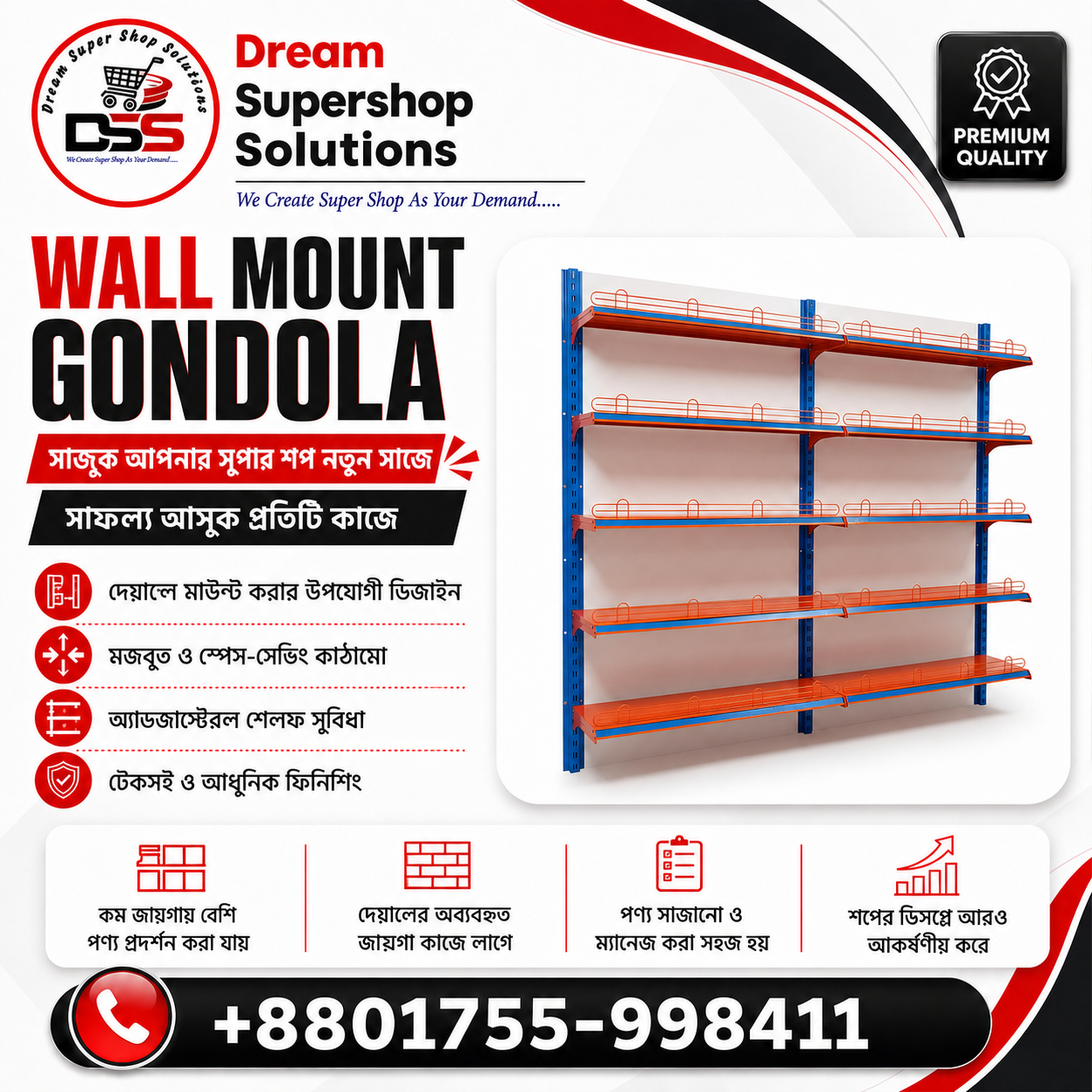
Wall Mount Gondola Display Rack
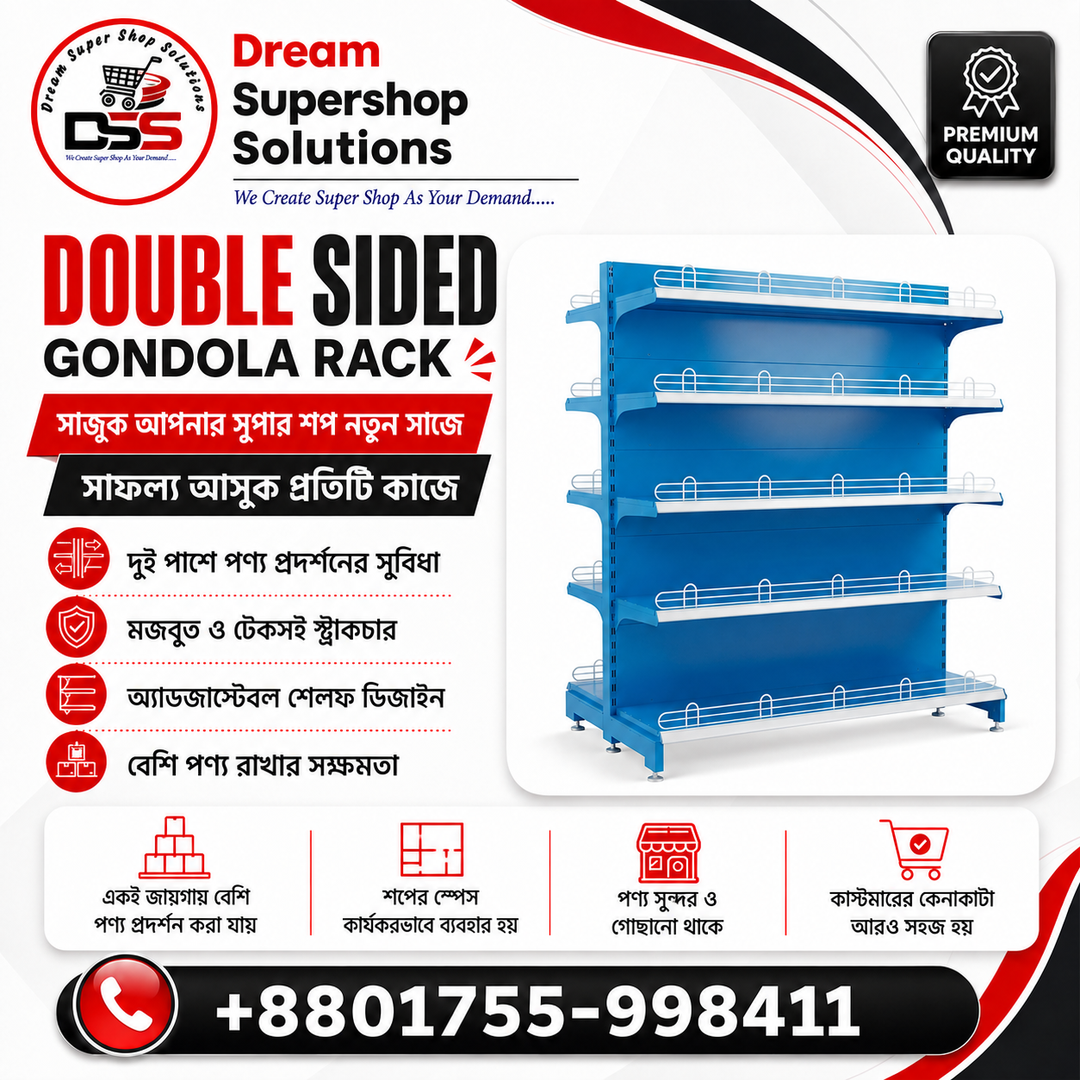
Double Sided Gondola Display Rack
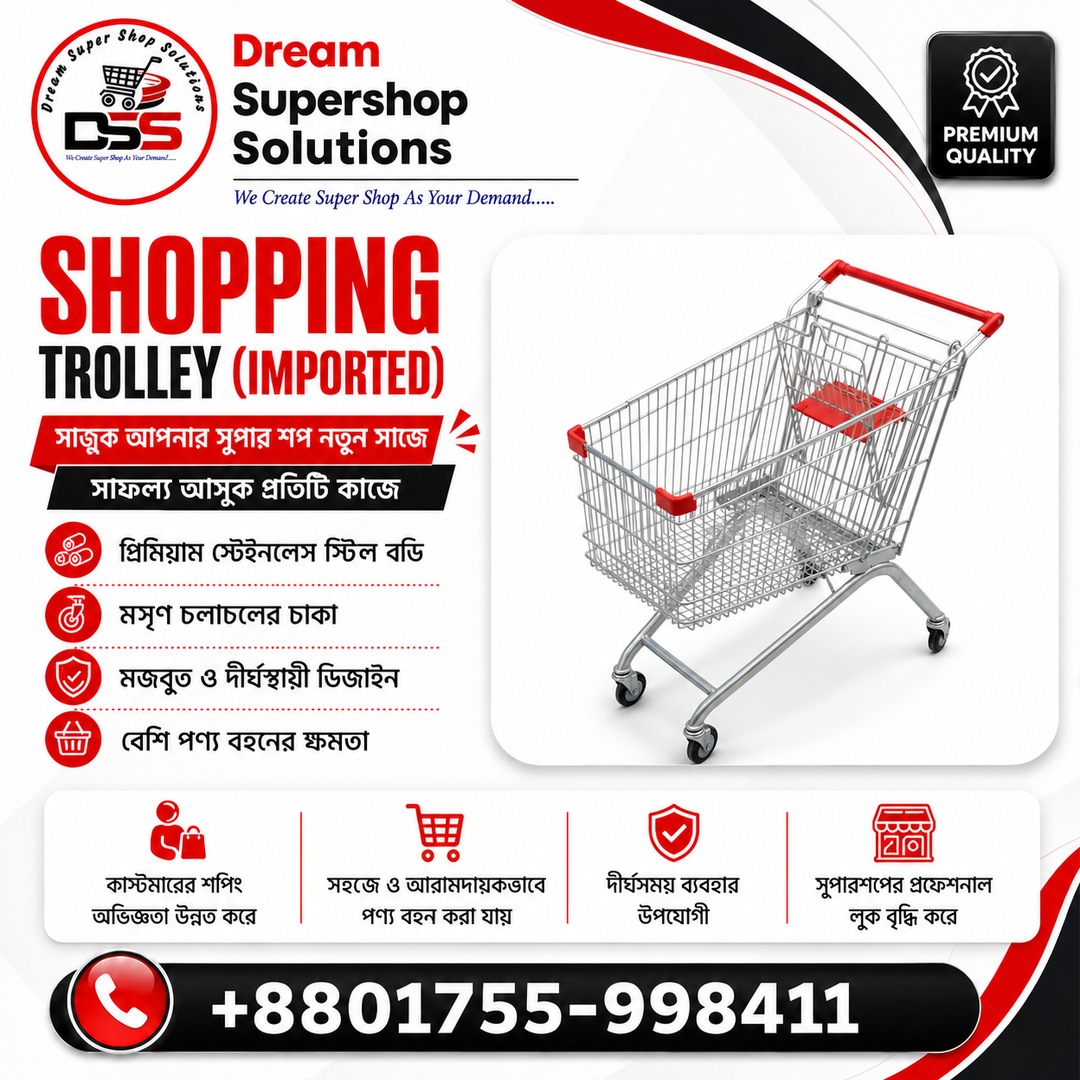
Supershop Shopping Trolley (SS- Imported)
⚖️ Product Comparison: Supershop Vegetable Rack
Choosing the right produce display fixture depends on store size, product range, expected product weight, available floor space, cleaning requirements, customer accessibility, restocking frequency, and budget.
A Supershop Vegetable Rack can be compared with flat produce tables, wooden market displays, plastic crate systems, refrigerated produce units, standard gondola shelving, and promotional island displays. Each option serves different merchandising requirements.
🥕 Vegetable Rack vs. Flat Produce Table
A flat produce table provides a broad horizontal surface for displaying fruits and vegetables. It can be suitable for bulk produce displays and may allow straightforward restocking.
A multi-tier vegetable rack uses several display levels to improve product visibility and support clearer category separation. It also makes better use of vertical space.
Flat tables may be suitable for large-volume displays, while products positioned at the centre may be less accessible to some customers. Multi-level racks provide structured presentation but require appropriate weight distribution.
Best Use: Flat tables for bulk produce displays; multi-tier racks for organised, customer-facing category displays.
🌳 Vegetable Rack vs. Wooden Produce Display
Wooden produce displays can create a natural, rustic, or market-inspired appearance, making them suitable for organic shops, premium grocery stores, and farm-product retailers.
Metal vegetable racks may provide consistent structural construction, easier integration with commercial store equipment, and a range of finishing options, depending on the design and materials used.
Wood may absorb moisture, stains, or odours if it is not properly sealed and maintained. Metal components may corrode if protective finishing becomes damaged or moisture remains untreated.
Best Use: Wooden displays for a rustic visual theme; metal racks for modular commercial applications, depending on verified construction, finishing, and maintenance requirements.
📦 Vegetable Rack vs. Plastic Crate Display
Plastic crates are portable, washable, and useful for transporting produce between storage and display areas. They can also be stacked or positioned on suitable supporting frames.
A dedicated vegetable rack provides a more permanent, customer-facing display with organised shelf heights, product categories, and optional signage.
Crates may offer flexibility and economical stock handling, while rack-supported crates can provide better product elevation and organisation than crates placed directly on the floor.
Best Use: Plastic crates for flexible stock handling; vegetable racks for structured and professional retail presentation.
❄️ Vegetable Rack vs. Refrigerated Produce Unit
A standard vegetable rack does not actively control temperature. It is suitable only for products that can be safely displayed under the store’s approved ambient conditions.
A refrigerated produce unit provides temperature control for products that require chilled storage. It generally involves higher purchase and operating costs, electricity consumption, and technical maintenance.
Retailers should not use a standard vegetable rack as a substitute for refrigeration when food-safety requirements specify controlled temperatures.
Best Use: Open vegetable racks for suitable ambient-condition produce; refrigerated units for products requiring controlled chilled conditions.
🛒 Vegetable Rack vs. Standard Gondola Shelf
Standard gondola shelving is primarily designed for packaged retail products. Its flat shelves may not provide the most suitable presentation for loose fruits and vegetables.
A specialised produce rack may include angled trays, baskets, dividers, and ventilation features designed for fresh-food merchandising.
Gondola shelving can still be useful for packaged produce, sauces, spices, and dry grocery products. Loose fresh produce may benefit from a fixture designed specifically for produce display.
Best Use: Standard gondola shelves for packaged goods; specialised vegetable racks for suitable fresh produce.
🏝️ Vegetable Rack vs. Promotional Island Display
A promotional island is a freestanding fixture placed in a central or high-traffic area. It can be used to highlight seasonal products, special offers, new arrivals, or selected promotional items.
A permanent vegetable rack generally supports everyday product organisation and regular stock display.
Promotional islands can provide strong product visibility but may affect customer movement if they are positioned without sufficient aisle clearance.
Best Use: Permanent vegetable racks for the main produce department; promotional island displays for seasonal and featured products.
✅ Main Advantages
A well-planned Supershop Vegetable Rack may provide the following advantages:
-
🥕 Multi-tier product presentation
-
👀 Improved fresh produce visibility
-
🗂️ Organised category separation
-
🔄 Easier product restocking
-
🤝 Customer-accessible display design
-
📐 Better use of vertical space
-
🏷️ Support for price-label placement
-
⚙️ Customisable display configuration
-
🏪 Suitability for different store sizes
-
✨ Professional fresh-food presentation
⚠️ Possible Disadvantages and Considerations
The suitability of a vegetable rack depends on its design, materials, installation, and intended use. Potential considerations include:
-
🧼 Fresh produce requires frequent cleaning.
-
⚖️ Heavy products may overload unsuitable shelves or trays.
-
💧 Moisture may affect metal components if protective finishing is damaged.
-
🔄 Incorrect tray angles may cause certain products to roll.
-
📦 Deep trays may hide products positioned at the lower or rear sections.
-
🚶 Large rack units require sufficient aisle space.
-
🥬 Loose produce may leave soil, leaves, or other residue.
-
🌬️ Insufficient ventilation may be unsuitable for certain produce categories.
-
💰 Customised configurations may involve additional costs.
-
❄️ Standard vegetable racks do not provide active refrigeration.
🛍️ Buying Recommendation: What to Check Before Purchasing
Before purchasing a Supershop Vegetable Rack, retailers should review the following requirements:
📏 Rack Dimensions and Layout
-
Available floor area
-
Overall rack height
-
Rack width
-
Shelf or tray depth
-
Number of display levels
-
Available aisle clearance
-
Wall-side, freestanding, or island placement
-
Future expansion requirements
🥦 Product and Display Requirements
-
Produce categories
-
Expected product weight
-
Approved load capacity
-
Tray angle
-
Tray or basket material
-
Divider requirements
-
Ventilation design
-
Drainage or moisture-related requirements
-
Cleaning access
-
Product accessibility
🏷️ Customisation and Project Requirements
-
Price-label requirements
-
Branding panel requirements
-
Preferred colour
-
Material and finishing specifications
-
Delivery location
-
Installation support
-
Expected restocking frequency
-
Overall project budget
Retailers should provide accurate store measurements and examples of the products they intend to display. A sample tray layout or technical drawing may help confirm whether the proposed configuration matches the store’s actual merchandising requirements.
Important: Final rack selection should be based on the approved design, material specifications, product weight, load capacity, store layout, and applicable food-safety requirements.
🧼 Maintenance Guide: Supershop Vegetable Rack
Proper maintenance helps protect the Supershop Vegetable Rack, support cleanliness in food-retail areas, reduce contamination risks, and maintain a professional store appearance. Cleaning methods and maintenance procedures should always be suitable for the rack’s confirmed materials and approved design.
🧽 1. Cleaning and Hygiene
Regular cleaning is important for maintaining a clean and suitable fresh produce display area.
-
🥬 Remove loose leaves, soil, damaged produce, labels, packaging, and other residue several times during operating hours.
-
🧼 Clean trays, baskets, shelves, dividers, price holders, frame sections, and lower areas using methods suitable for the confirmed materials.
-
🧴 Use cleaning products appropriate for food-retail environments and follow applicable manufacturer instructions.
-
⚠️ Avoid corrosive chemicals that may damage metal finishing, plastic trays, wood, adhesives, or labels.
-
💧 Dry the complete structure after wet cleaning. Do not allow moisture to remain inside joints, corners, or lower frame sections.
🛡️ 2. Rust Prevention
Moisture and damaged protective finishing may increase the risk of corrosion in metal components.
-
🔍 Inspect metal shelves, frames, brackets, bolts, tray supports, and welded areas for scratches, chipped coating, and exposed metal.
-
💧 Remove produce moisture and standing water promptly.
-
📦 Do not allow wet cartons, leaking products, or cleaning water to remain against the rack.
-
🔧 Repair damaged protective finishing using an appropriate method before corrosion spreads.
-
🧽 Maintain regular cleaning and drying routines in areas exposed to moisture.
⚖️ 3. Weight Capacity and Load Management
Fresh vegetables and fruits can be heavier than they appear. Potatoes, onions, pumpkins, watermelons, and large produce boxes may create substantial shelf or tray loads.
-
📋 Follow the approved load capacity for each shelf or tray.
-
⚖️ Distribute product weight evenly instead of concentrating heavy items in one corner.
-
🥔 Place heavier products on lower levels where practical.
-
🚫 Do not exceed the specified capacity of any rack component.
-
🏗️ Do not use the rack as an industrial storage system unless it has been specifically designed and approved for that purpose.
🥦 4. Product Handling Safety
Appropriate product placement helps protect fresh produce and improve customer accessibility.
-
🍎 Avoid stacking sensitive fruits or vegetables so high that lower products become crushed.
-
🔄 Place rolling products behind suitable front stops or inside appropriate trays.
-
🚶 Do not allow produce to extend into customer walkways or obstruct movement.
-
🗑️ Remove spoiled, leaking, damaged, or contaminated products immediately.
-
🧴 Keep cleaning chemicals away from displayed food products.
-
📦 Avoid excessive stacking that may cause product damage or instability.
🔧 5. Structural Safety
Regularly checking the rack structure helps identify potential safety concerns before they become more serious.
-
📏 Install the rack on a level and stable floor.
-
🔩 Ensure that shelves, brackets, frames, trays, dividers, and connectors remain secure.
-
🚫 Do not allow customers or children to climb, sit, or lean heavily on the fixture.
-
⚠️ Unload and inspect any bent, unstable, cracked, tilted, or damaged section.
-
🛠️ Seek appropriate technical assistance for major structural repairs or modifications.
🔍 6. Routine Inspection Checklist
Inspect the vegetable rack regularly for the following conditions:
-
🔩 Loose shelves
-
🛠️ Bent tray supports
-
🗂️ Damaged dividers
-
⚠️ Sharp edges
-
🦾 Rust or corrosion
-
🎨 Damaged protective coating
-
📐 Unstable frames
-
⚖️ Overloaded trays
-
🥬 Product residue
-
💧 Standing water
-
🏷️ Broken price holders
-
🔄 Rolling products
-
🚶 Blocked aisles
-
🧺 Damaged baskets
-
🪧 Loose branding panels
High-volume fresh produce departments may require multiple inspections throughout the day, depending on customer traffic, product turnover, and operating conditions.
🛠️ 7. Long-Term Care
Proper long-term care can help maintain the rack’s functionality and support consistent store operations.
-
📝 Maintain records of repaired components, replaced trays, coating work, and structural changes.
-
🔩 Use compatible shelves, baskets, dividers, brackets, and replacement components.
-
🚫 Avoid uncontrolled drilling, cutting, or welding.
-
⚖️ Review the rack configuration if the store begins displaying significantly heavier produce.
-
🧼 Replace components that can no longer be cleaned or maintained safely.
-
🔧 Obtain technical guidance before making major modifications to the original design.
📦 8. Storage Before Installation
Uninstalled rack components should be stored carefully to reduce the risk of damage before setup.
-
🏠 Keep frames, shelves, trays, and panels in a dry, covered, and secure location.
-
💧 Protect components from moisture, impact, dirt, chemicals, and rough surfaces.
-
📐 Stack components carefully to prevent bending, deformation, or scratches.
-
🏷️ Label small connectors, bolts, brackets, and accessories clearly.
-
📦 Avoid placing heavy items on components that are not designed to support them.
✅ 9. Maintenance Best Practices
For regular operation, retailers should follow these recommended practices:
-
🥬 Remove damaged produce frequently.
-
🧼 Clean trays and display areas every day.
-
⚖️ Follow confirmed shelf and tray load capacities.
-
🥔 Keep heavy produce on lower levels where practical.
-
🚶 Maintain clear customer pathways.
-
📦 Avoid excessive product stacking.
-
🎨 Repair damaged protective coating promptly.
-
🔍 Inspect the rack after accidental impact.
-
🏷️ Keep price labels updated and secure.
-
🔩 Use compatible replacement components.
-
🗂️ Separate different produce categories.
-
🌬️ Keep required ventilation openings clear.
-
💧 Dry the rack after washing.
-
👷 Train staff on safe product handling and restocking.
-
🛠️ Seek technical support for major repairs or structural concerns.
Important: Maintenance procedures may vary according to the rack’s material, finishing, tray type, installation method, and operating environment. Always follow the approved product specifications and applicable food-retail hygiene and safety requirements.
🔧 Installation Guide
For your convenience and peace of mind, our experienced technical team provides professional installation and setup services at your location whenever required.
For small orders or simple installations where an on-site visit is not necessary, our team provides step-by-step assistance through video calls or video instructions, ensuring a smooth and hassle-free setup.
Our goal is to ensure every installation is completed correctly, efficiently, and with minimal inconvenience to our customers.
🏬 Industry Use Cases: Supershop Vegetable Rack
A Supershop Vegetable Rack can be used in different retail environments for organised fresh produce merchandising. The suitable rack size, tray arrangement, material, and configuration depend on the store layout, product categories, expected load, and display requirements.
🛒 1. Supermarket Fresh Produce Departments
Supermarkets can combine multiple vegetable racks to create dedicated sections for vegetables, fruits, herbs, and selected packaged produce.
Category signage and price labels can help customers navigate the department and identify products more easily.
🛍️ 2. Grocery Stores
Grocery stores can use compact or medium-sized vegetable racks to display daily essentials such as potatoes, onions, tomatoes, chillies, garlic, ginger, and seasonal fruits.
Separate trays or display levels may be used to organise products by category.
🏪 3. Mini Marts
Mini marts can use smaller multi-tier units to display essential fresh produce while making efficient use of limited floor space.
The rack size should be selected according to available space, product quantity, and customer access requirements.
🏢 4. Hypermarkets
Hypermarkets can create larger fresh produce departments using connected or coordinated display units.
Separate racks may be assigned to vegetables, fruits, organic products, promotional items, and bulk merchandise.
🌱 5. Organic Food Retailers
Organic food shops can use vegetable racks to separate certified products, local produce, seasonal items, and premium farm goods.
Optional branding panels and category signage may be used to communicate sourcing or product information, subject to the approved design.
🍎 6. Fruit Shops
Fruit retailers can display apples, oranges, mangoes, grapes, pears, bananas, and other seasonal fruits on separate shelf levels or trays.
Suitable tray design and product placement are important for fruits that may roll, bruise, or require careful handling.
🥦 7. Vegetable Specialty Stores
Specialised vegetable retailers can organise leafy vegetables, root vegetables, herbs, and cooking essentials according to product type, size, or price.
An organised rack layout may help staff manage restocking and support customer product selection.
🚜 8. Farm Shops
Farm-direct retailers can create a market-style display that highlights locally harvested vegetables, fruits, herbs, and seasonal products.
Category labels, farmer information, or product-origin details may be incorporated where suitable.
🏬 9. Department Store Food Sections
Department stores with grocery areas can use professionally finished vegetable racks to coordinate fresh produce with the broader retail interior.
The rack design may be selected to complement existing shelving, signage, and other store fixtures.
🥕 10. Convenience Stores
Larger convenience stores may use compact vegetable racks for frequently purchased vegetables, fruits, and ready-to-use packaged produce.
A smaller configuration can be considered where floor space and product variety are limited.
📦 11. Wholesale Retail Outlets
Wholesale retailers can use reinforced rack configurations for higher product volumes, provided the approved load capacity and design specifications are followed.
Product weight, tray strength, restocking frequency, and handling practices should be reviewed before selecting the rack.
✨ 12. Premium Grocery Stores
Premium grocery retailers can use carefully designed racks, coordinated baskets, clear signage, and organised product grouping to create an attractive fresh produce presentation.
Material finishing, tray design, and colour selection may be customised according to the store’s interior concept.
🥭 13. Seasonal Produce Campaigns
Retailers can dedicate selected rack levels or sections to seasonal products, such as:
-
🥭 Mango season
-
🥬 Winter vegetables
-
🍊 Citrus campaigns
-
🌙 Ramadan products
-
🍎 Seasonal fruits
-
🌱 Local farm produce
Flexible display arrangements can help retailers update product categories according to seasonal availability and promotional requirements.
🏷️ 14. Promotional Displays
Dedicated rack sections can be used to highlight discount bundles, imperfect produce, new suppliers, local farm products, featured items, or special offers.
Promotional displays should be positioned carefully to maintain product visibility and clear customer pathways.
🏗️ 15. Complete Supershop Projects
Vegetable racks can be coordinated with grocery gondolas, refrigeration units, shopping trolleys, checkout counters, storage systems, signage, and other retail fixtures within a complete supershop setup.
An integrated store layout can help businesses plan fresh produce areas, customer movement, product categories, and supporting equipment together.
Note: The appropriate application depends on the store environment, product type, rack configuration, approved load capacity, available space, and applicable food-handling requirements.
Return & Refund Policy
Return Refund Policy Editor
FAQ
Reviews
No reviews yet. Be the first to review this product.
Write a Review
Recommended Products
Show All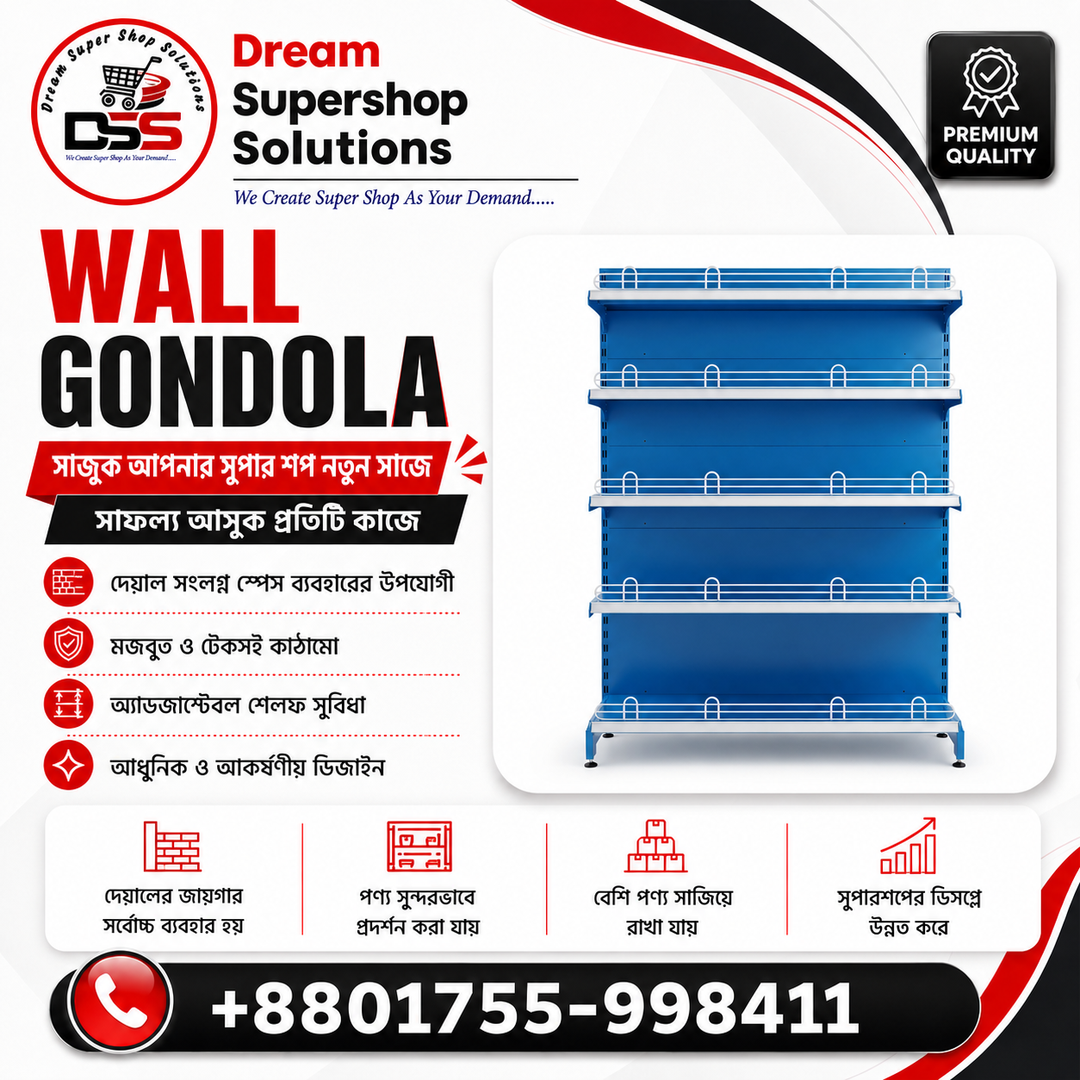

_1753463466363_61fx3p.png)